%2Ffit-in%2F250x250%2Fguide_websites%2F29765%2Fimages%2F1744763755880image-apr-15-2025-03-26-10-8054-pm-removebg-preview.png&w=1920&q=100)
Vermilion Rockfish Fishing Pompano Beach FL
Vermilion Rockfish Fishing in Pompano Beach - What to Expect
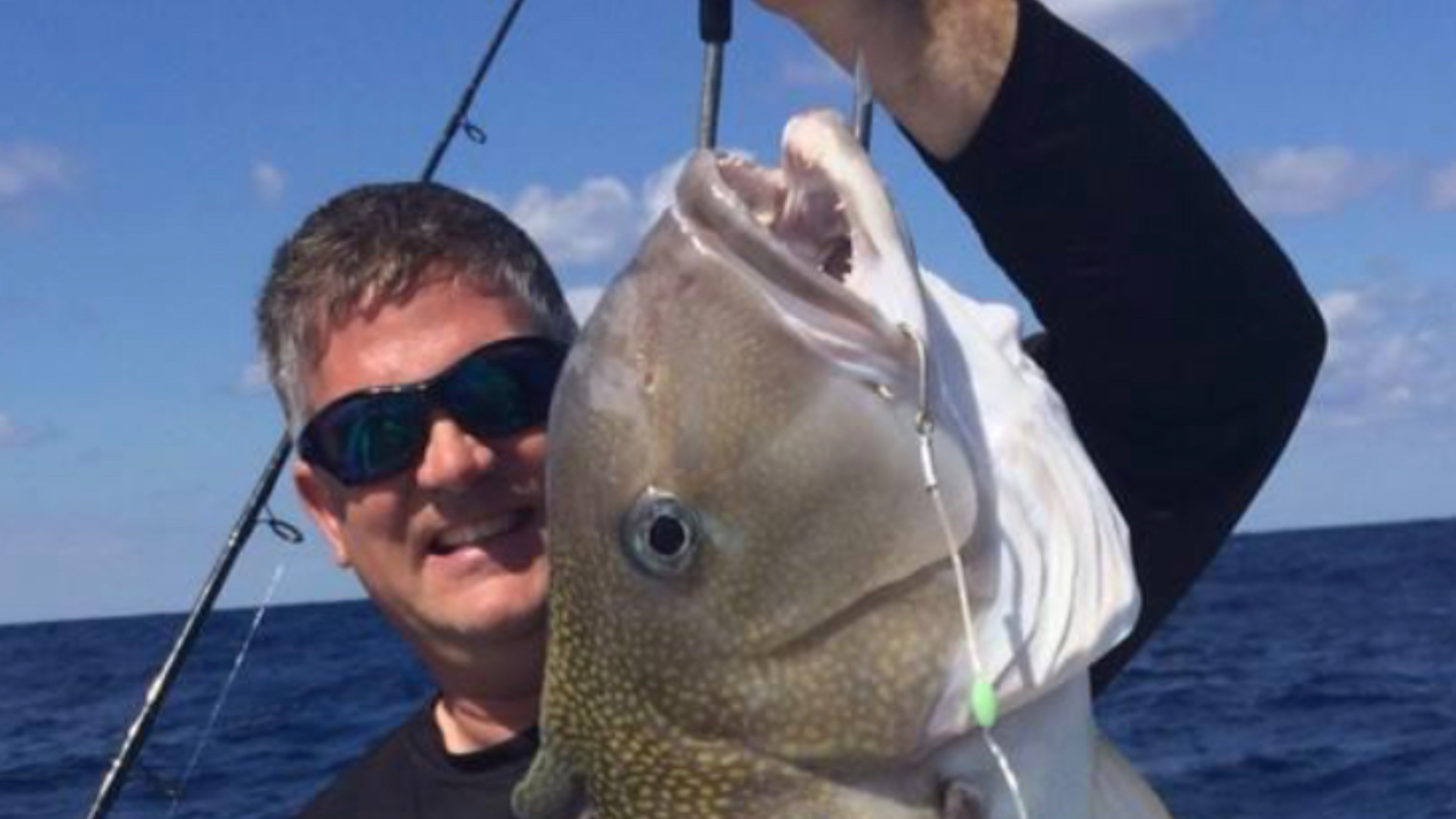
%2F%2Fusers%2Fcfebd931-0bbc-4bbc-a479-4b52a827abd6%2Fimages%2Fvermilion-rockfish-pompano-beach-catch-2757.jpg&w=1920&q=75)
Fishing Charter by Captain Patrick Weekley in July
- Offshore Fishing Charters & Family Recreation guid


Summary
Land impressive vermilion rockfish on a fishing charter with Captain Patrick Weekley of Weekley Rehab Fishing Charters in Pompano Beach. This Tuesday in July offers prime conditions for targeting this deep-water species along Florida's Atlantic coast.
Fishing Charter with Captain Patrick Weekley - Rates & Booking
Captain Patrick Weekley of Weekley Rehab Fishing Charters operates fishing charters out of Pompano Beach on Tuesday, July 14th. This offshore fishing charter targets vermilion rockfish and other deep-water species. For booking details, rates, and availability on this fishing charter, contact Weekley Rehab Fishing Charters directly.
Highlights of Vermilion Rockfish Fishing
Vermilion rockfish represent some of the most rewarding catches available in South Florida waters. These vibrant fish feature distinctive red coloring and fight hard when hooked, making them a favorite among experienced anglers. The offshore environment near Pompano Beach provides ideal conditions for locating and targeting these deep-dwelling species during prime summer months.
Captain Weekley's local knowledge of the reefs and hard-bottom structures where vermilion rockfish congregate significantly increases your chances of success. The species inhabits depths where structure and natural habitat create perfect hunting grounds, and understanding these patterns separates productive fishing from slow days.
Local Species Insights: Vermilion Rockfish
Vermilion rockfish thrive in the deeper offshore waters surrounding Pompano Beach, typically found along rocky outcrops, reef systems, and hard-bottom terrain. These fish are bottom dwellers that prefer structure-rich environments where they can hunt baitfish and small crustaceans. The warm Atlantic waters off Florida provide ideal habitat conditions year-round, though summer months like July often produce excellent bite periods.
What makes vermilion rockfish particularly prized is their combination of size potential and aggressive feeding behavior. They respond well to properly presented live bait and jigging techniques. These fish are known for their distinctive head coloration and strong fighting ability once hooked. Their preference for deeper water means fishing for them requires proper equipment and technique, but the payoff delivers memorable saltwater experiences.
The offshore environment surrounding Pompano Beach creates a dynamic ecosystem where vermilion rockfish interact with numerous other species. The depth, water temperature, and current patterns in these areas support healthy fish populations. Captain Weekley's experience reading these conditions and locating productive fishing grounds ensures your charter time targets the most promising areas where vermilion rockfish concentrate.
Fishing in Pompano Beach: Vermilion Rockfish
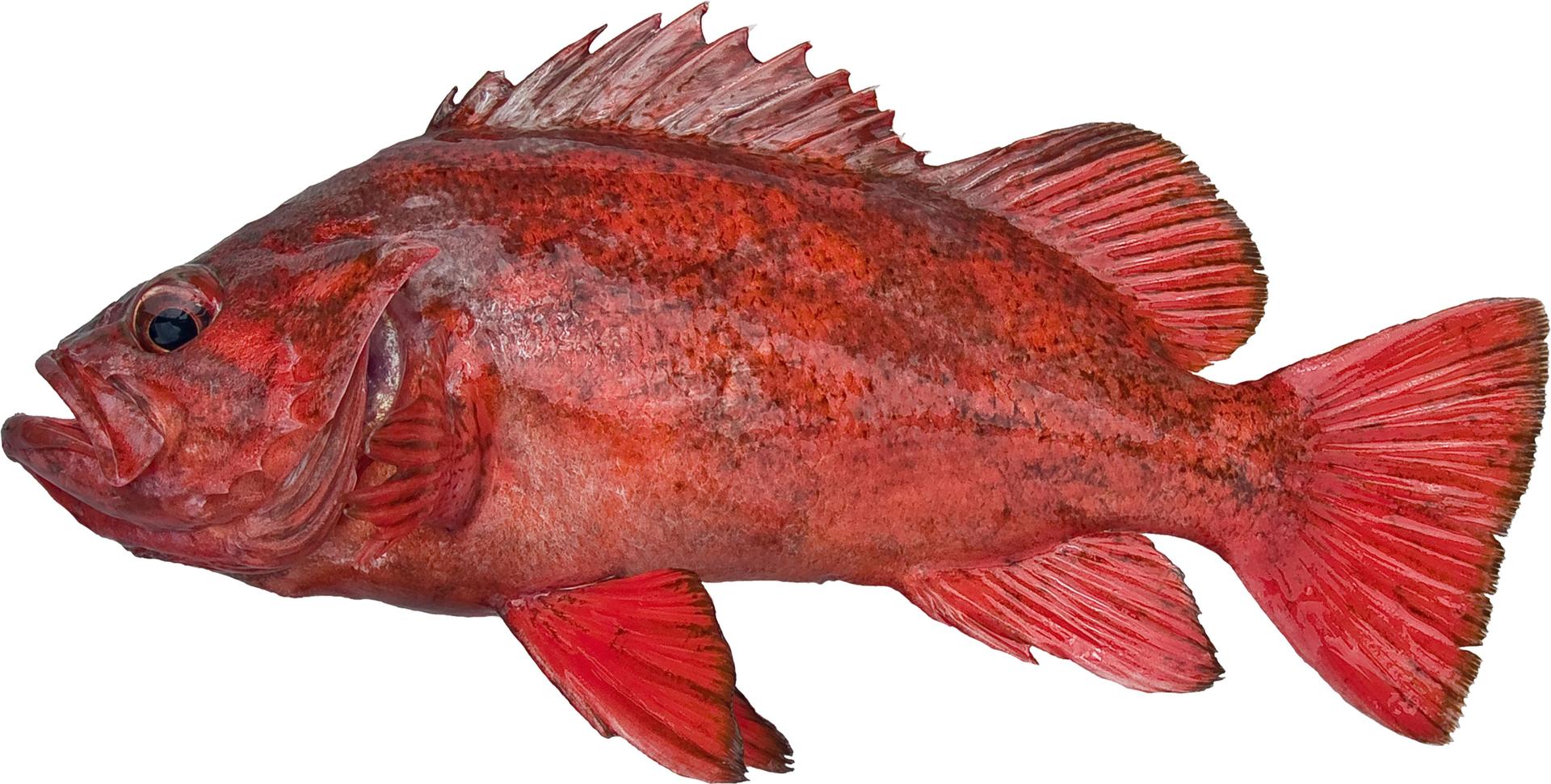
Vermilion Rockfish Overview
The Vermilion Rockfish (Sebastes miniatus) is a vibrant member of the Sebastidae family within the Scorpaeniformes order, instantly recognizable by its striking crimson coloration and distinctive black and grey mottling across its back and sides. This deep-water dweller is a favorite among Pacific coast anglers and marine enthusiasts who appreciate its unique appearance and challenging habitat. From the rocky reefs off Alaska to the kelp-laden waters near Baja California, this species represents a slice of the Pacific's rich biodiversity. What makes the Vermilion Rockfish particularly fascinating is not just its brilliant hue, but also its remarkable longevity—some individuals have been documented living over a hundred years, making them one of the ocean's true veterans.
Vermilion Rockfish Habitat and Distribution
Vermilion Rockfish are predominantly found around rocky bottoms and reefs throughout the Pacific Ocean, inhabiting waters from depths of 100 to 500 feet, with some specimens recorded at depths reaching 900 feet. These fish are native to western North America, spanning from Baja California all the way to Alaska, with concentrations around kelp forests and boulder-strewn seafloors where they can hide and hunt effectively. The majority of an adult Vermilion Rockfish's life is spent at the ocean bottom, anchored to familiar territory—these fish become incredibly territorial and may choose the same home site for years on end. Younger rockfish tend to inhabit shallower waters, often found within kelp beds where they gain size and strength before descending to deeper waters as they mature.
Vermilion Rockfish Size and Weight
On average, Vermilion Rockfish grow to between 14 and 22 inches in length and typically weigh between 6 and 7 pounds, making them a manageable catch for most recreational anglers. However, the largest recorded specimen reached an impressive 30 inches, a true trophy-class fish that represents decades of growth and survival in the deep. Most anglers encounter fish in the mid-range, around 16 to 18 inches, which offer excellent fighting characteristics and provide a rewarding experience whether you're seeking food or sport. Shorter individuals tend to display more prominent mottling and fins edged with black, which can actually help with species identification when you're sorting through a mixed catch on the boat.
Vermilion Rockfish Diet and Behavior
These predatory fish predominantly consume small fish, octopus, squids, and krill, making them opportunistic hunters adapted to life among the rocks and reefs. Their feeding behavior is influenced by the availability of prey in their immediate vicinity, and they've developed a hunting strategy that relies on ambush tactics from within rocky crevices. Vermilion Rockfish are known for their sedentary nature—they don't roam vast distances like pelagic species. Instead, they establish home territories and become remarkably site-faithful, which actually makes them predictable targets for experienced anglers who understand their behavioral patterns. This territorial behavior, combined with their preference for specific depth zones and bottom types, has made them the subject of extensive marine research over the decades.
Vermilion Rockfish Spawning and Seasonal Activity
Like many rockfish species, Vermilion Rockfish are ovoviviparous, meaning females retain eggs internally until they hatch, then release live young into the water column. The exact spawning timeline can vary based on water temperature and local conditions, but spawning typically occurs in late fall through winter months. Peak availability for anglers generally runs spring through early fall when water conditions are calmer and deeper reefs become more accessible by boat. During winter months, fishing pressure decreases and access becomes more challenging due to rougher seas, though dedicated anglers still pursue these fish year-round in protected anchorages and sheltered reef systems.
Vermilion Rockfish Techniques for Observation or Capture
Method 1: Deep-Water Hook and Line with Light Tackle — The most effective approach for Vermilion Rockfish involves using light tackle with a standard two-hook rig baited with strips of squid or small fish. Drop your rig to the reef bottom in depths of 100 to 500 feet, maintaining bottom contact while slowly jigging or holding steady. This method allows you to feel the subtle takes these fish are known for, and the light tackle provides excellent sport when you hook into a quality specimen. Around coastal California and the Pacific Northwest, this technique consistently produces results, especially when deployed near known rocky outcroppings and kelp bed margins.
Method 2: Vertical Jigging Over Deep Reefs — For a more active approach, vertical jigging with small metal jigs or shrimp-imitation lures can be highly productive. Position your boat directly over rocky bottom structures identified on sonar, then drop jigging lures to the target depth. Work the lure with rhythmic upward strokes, allowing it to flutter downward during pauses—this mimics the natural movement of their preferred forage. This method covers water more efficiently than static baiting and often triggers aggressive strikes from territorial fish defending their home sites.
Method 3: Trolling with Specialized Rockfish Rigs — Commercial and recreational operations also employ trolling techniques, particularly when targeting broader areas of reef structure. Trawling at specific depths with multiple lines baited or dressed with squid strips and small hooks can yield excellent results. Many anglers combine this method with others used for Bocaccio rockfish—techniques that prove equally effective for Vermilion. In harbors from Mendocino to San Diego, charter captains frequently employ these tactics to provide consistent action for their clients.
Vermilion Rockfish Culinary and Utilization Notes
Vermilion Rockfish possess firm, white meat with a mild flavor that ranks among the better-tasting rockfish species, making them an excellent choice for consumption. The flesh holds up well to various cooking methods—baking, pan-searing, grilling, or steaming all showcase the delicate flavor without requiring heavy sauces or preparation. They're a sustainable choice when caught responsibly and in accordance with local regulations, as they're native species with established fishery management protocols. Some regions have specific size and bag limits to protect the population, reflecting their importance to both recreational and commercial fishing communities. Nutritionally, rockfish provide excellent protein and are relatively lean, making them a healthy addition to any meal.
Vermilion Rockfish Frequently Asked Questions
Q: What is the best bait for catching Vermilion Rockfish?
A: Fresh or frozen squid strips are consistently the most effective bait, though small strips of anchovy, mackerel, or other small fish work well too. The key is presenting fresh bait that releases scent into the water column, attracting fish from a distance. No bait at all is sometimes sufficient if you're using shiny metal jigs that create vibration and visual stimuli, but for traditional hook and line fishing, squid remains the gold standard across the Pacific coast.
Q: Where can I find Vermilion Rockfish near major fishing ports?
A: These fish are distributed throughout the Pacific from Baja California to Alaska, with particularly strong populations around rocky reefs and kelp forests off the California coast, the Pacific Northwest, and southward regions. Charter services operating out of ports like San Diego, Monterey, Eureka, and various Alaska communities consistently target these fish. Your best bet is to hire a local charter captain familiar with current conditions and seasonal movements, as they know the exact reef systems and depths where these fish concentrate.
Q: How can I distinguish Vermilion Rockfish from similar species?
A: The most reliable identification feature is examining the lower jaw. Vermilion Rockfish have a rough-textured, scaly lower jaw, whereas similar species like yelloweye and canary rockfish have smooth, scaleless jaws. Additionally, Vermilion Rockfish display bright red coloration with black and grey mottling, particularly prominent on shorter specimens with black-edged fins. When in doubt, consult your local fish identification guide or ask your charter captain to confirm the species.
Q: Is Vermilion Rockfish good to eat?
A: Absolutely—Vermilion Rockfish are among the better-tasting rockfish species, with firm white meat and a mild, delicate flavor. They're versatile in the kitchen and can be prepared using virtually any cooking method. Many anglers and seafood enthusiasts consider them superior to several other rockfish varieties, and they're increasingly featured on restaurant menus throughout California and the Pacific Northwest as a sustainable local option.
Q: When is the best time to catch Vermilion Rockfish?
A: Spring through early fall offers the most accessible fishing conditions, with calmer seas and easier boat access to deeper reefs. However, these fish are available year-round in their deep-water habitat. Water temperature influences their activity levels, with moderate temperatures generally producing the best feeding behavior. Peak season typically aligns with favorable weather windows that allow anglers to safely reach the 100 to 500-foot depths where these fish concentrate.
Q: Can Vermilion Rockfish really live over 100 years?
A: Yes—scientific studies have documented individual rockfish species, including Vermilion Rockfish, living well beyond a century. Some specimens examined were determined to be over 100 years old, making them among the longest-living fish species in North American waters. This remarkable longevity highlights the importance of responsible fishing practices and adherence to management regulations, as these slow-growing, long-lived fish require careful stewardship to maintain healthy populations for future generations.